
If you’d met me at school, you wouldn’t have thought of me as ‘sporty’. I took part in things. I turned up, joined in, did what was required – and even enjoyed it well enough sometimes. But I wasn’t particularly good at it. I wasn’t quick, and I wasn’t competitive. And that was fine. Sport just wasn’t something that held much significance for me.
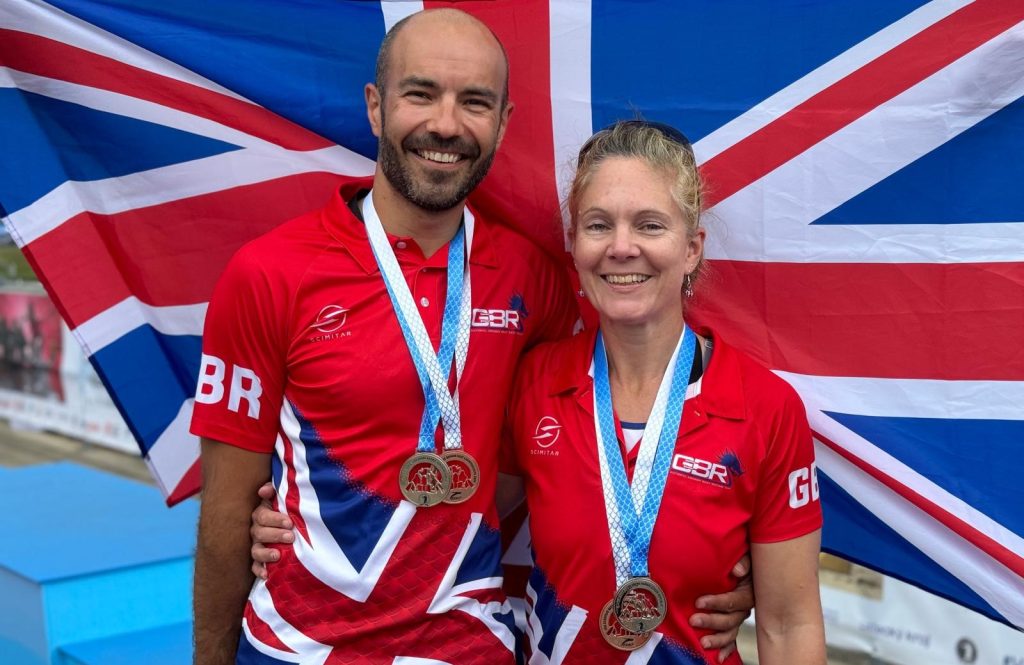
So, if you’d told me back then that one day I’d represent Great Britain as an international athlete, I would have thought you’d gone mad. And yet, here we are.
I’ve now been dragon boating for over 20 years. I’m a Level 3 coach. I’m a race official. I’ve spent years on a club committee. And for the last four years I’ve been part of the Great Britain Premier Dragon Boat Squad – and I’m doing it again this year (2026).
Somewhere along the way, I became an international athlete.
Not because I suddenly discovered some hidden natural talent, but because I found something that fit me – and then chose to take it seriously.
Finding the right fit
Looking back, I realise that almost all the sports we did at school involved running around – hockey, netball, tennis, athletics – all sports where you need to be quick on your feet. I’ve never been quick on my feet. I’m still not.
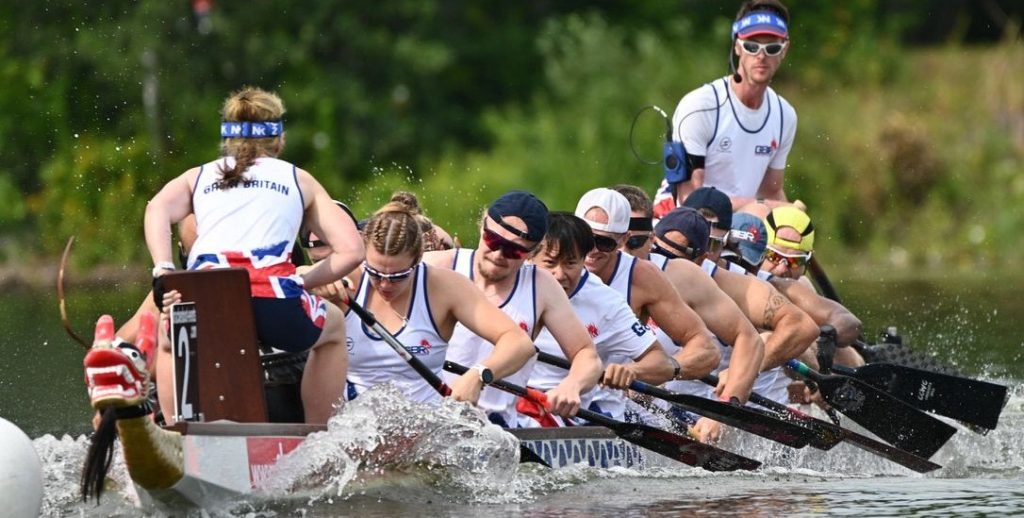
Dragon boating is a sitting-down sport! That one difference changed everything for me. It played to strengths I didn’t even know I had.
And then there’s the team element.
I’ve never been driven by competing as an individual – especially not against my classmates. But put me in a boat with a crew, all working together towards the same goal, and something clicks.
In dragon boating, you don’t win because one person is exceptional; you win because everyone moves together. Timing is the single most important element in dragon boating – the whole crew moving as one. That collective effort is what makes the boat go faster.
That environment suited me – so I stuck with it.
Dragon boating isn’t a widely-known sport in the UK, which makes the pathway to international competition more accessible than in some bigger sports.
It also includes categories at international level for para-athletes with a wide range of physical, neurological and cognitive differences, as well as breast cancer survivor crews, where the sport supports recovery and rebuilding strength. The idea of who gets to take part – and succeed – is far more open than many people realise.
But none of that makes it easy; it just makes it possible.
Showing up, again and again
The rest still comes down to showing up. Training. Improving. Choosing, again and again, to keep going – even when it’s cold, it’s raining, it’s dark, you’re tired, and you just don’t want to train today. You still keep showing up.
None of this happened by accident. I didn’t drift into becoming an international athlete. I found something that worked for me, and then I made a conscious decision to pursue it. I put the work in. And over time, those small, consistent choices added up to something much bigger than I ever expected.
For years, I would never have described myself as sporty. But things change; people can change. Just because something was, doesn’t mean it still is. Just because someone did or didn’t in the past, doesn’t mean they will or won’t in the future.
Once I found the right sport for me, and chose to commit to it, something that would have once sounded completely unrealistic became part of my normal life.
Not because I’m extraordinary, but because ordinary people are capable of far more than they often give themselves credit for – when they find the right thing, and decide to go after it.